Healthy Snacks
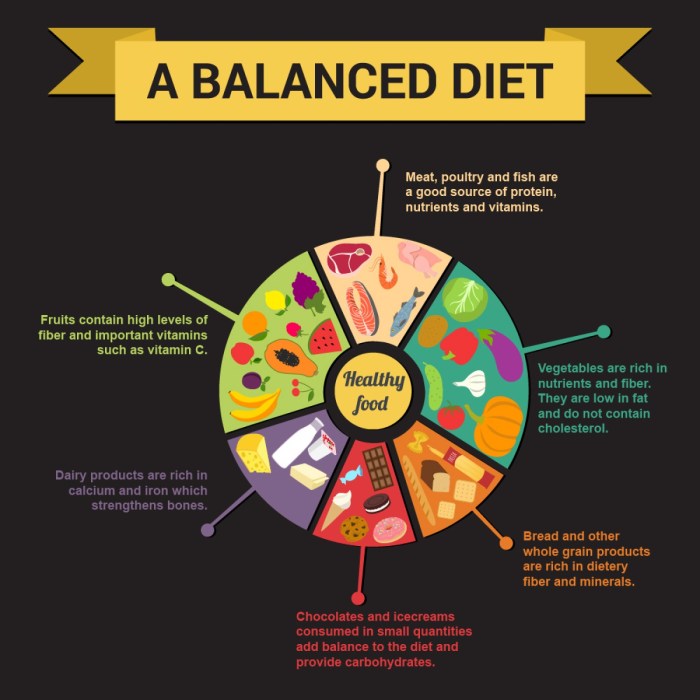
When it comes to maintaining a balanced nutrition on a budget, choosing healthy snacks is key. Not only do they provide essential nutrients, but they can also help you stay full between meals without breaking the bank.
Ideas for Nutritious Snacks
- Vegetable sticks with hummus or yogurt dip
- Fruit salad with a sprinkle of nuts or seeds
- Air-popped popcorn seasoned with herbs or spices
- Greek yogurt with a drizzle of honey and fresh berries
Nutritional Value: Homemade vs. Store-Bought
- Homemade snacks are often lower in added sugars, salt, and unhealthy fats compared to store-bought options.
- By preparing snacks at home, you can control the quality of ingredients and customize the portion size to meet your nutritional needs.
Importance of Portion Control
It’s crucial to practice portion control when consuming snacks, even if they are healthy. Paying attention to serving sizes can prevent overeating and help you maintain a balanced diet within your budget.
Wellness Programs
How to achieve balanced nutrition on a budget – Wellness programs that focus on balanced nutrition are designed to help individuals achieve optimal health through proper eating habits. These programs typically include education, resources, and support to promote healthy eating choices.
Components of a Wellness Program for Balanced Nutrition
- Education on nutrition basics and the importance of a balanced diet.
- Access to affordable healthy food options, such as discounts on fresh produce or partnerships with local farmers markets.
- Meal planning assistance to help individuals create nutritious and budget-friendly meals.
- Support groups or counseling to address emotional eating or other barriers to healthy eating.
Examples of Wellness Programs for Affordable Nutrition Resources
- The Supplemental Nutrition Assistance Program (SNAP) provides eligible individuals with funds to purchase food items, including fruits, vegetables, and whole grains.
- Community-based programs like food banks or food pantries offer free or low-cost nutritious food options to those in need.
- Cooking classes or workshops that focus on budget-friendly meal preparation and shopping tips.
How Wellness Programs Support Individuals in Achieving Health Goals
- By providing access to affordable and nutritious food options, individuals can make healthier choices and improve their overall well-being.
- Wellness programs offer guidance and support to help individuals overcome barriers to healthy eating, leading to long-term success in maintaining a balanced diet.
- Through education and resources, wellness programs empower individuals to take control of their health and make informed decisions about their nutrition.
Physical Therapy
Physical therapy plays a crucial role in complementing a balanced nutrition plan by focusing on improving overall physical well-being. Through targeted exercises and activities, physical therapists help individuals enhance their strength, flexibility, and mobility, which are essential components of a healthy lifestyle.
Recommended Exercises and Activities
- Cardiovascular exercises such as walking, cycling, or swimming can improve heart health and endurance.
- Strength training exercises using body weight or resistance bands help build muscle mass and increase metabolism.
- Flexibility exercises like yoga or stretching routines can improve range of motion and prevent injuries.
- Balance exercises such as tai chi or specific stability drills can enhance coordination and reduce the risk of falls.
Role of Physical Therapy in Improving Physical Well-being on a Budget
Physical therapy offers cost-effective solutions for improving physical health by providing personalized exercise plans that can be performed at home or in community settings. By focusing on preventive measures and promoting self-care techniques, physical therapists empower individuals to take control of their well-being without the need for expensive equipment or memberships. Additionally, physical therapy can help manage chronic conditions and prevent future health complications, ultimately leading to long-term savings on healthcare expenses.
Health Coaching
Health coaching plays a crucial role in promoting balanced nutrition by providing individuals with personalized guidance and support to make healthier choices. These professionals help clients set realistic goals, develop sustainable habits, and navigate obstacles on their journey to better health.
Benefits of Health Coaching in Promoting Balanced Nutrition
- Health coaches offer individualized nutrition plans tailored to specific needs and preferences, ensuring a well-rounded diet.
- They provide ongoing accountability and motivation to help clients stay on track with their nutrition goals.
- Health coaches educate clients on the importance of nutrient-dense foods and teach them how to make healthier food choices within their budget.
- They empower individuals to take control of their health by fostering a positive relationship with food and promoting mindful eating habits.
Tips from Health Coaches on Creating Healthy Eating Habits Without Overspending
- Plan meals in advance and make a grocery list to avoid impulse purchases and minimize food waste.
- Buy seasonal produce and ingredients in bulk to save money and ensure freshness.
- Opt for plant-based proteins like beans, lentils, and tofu, which are affordable and nutritious alternatives to meat.
- Cook at home more often to control portion sizes and ingredients, saving money compared to dining out.
Role of Health Coaches in Encouraging Individuals to Prioritize Nutrition Within Budget Constraints
- Health coaches help clients identify cost-effective healthy food options and teach them how to shop smartly for nutritious ingredients.
- They emphasize the importance of meal planning and preparation to avoid relying on expensive convenience foods.
- Health coaches assist individuals in setting realistic budget goals for groceries and eating out, ensuring they prioritize nutrition without overspending.
- By guiding clients to make informed choices and adopt sustainable habits, health coaches empower individuals to achieve balanced nutrition within their financial means.
Medical Advancements
Medical advancements have played a crucial role in influencing affordable nutrition options for individuals. With the development of new technologies and treatments, healthcare providers are now able to offer innovative approaches that promote balanced nutrition for all, regardless of their financial constraints. These advancements have opened up new possibilities for making nutritious choices more accessible to a wider population.
Innovative Healthcare Approaches
- Telemedicine and virtual consultations have made it easier for individuals to access nutrition counseling and guidance from healthcare professionals without the need for in-person visits, reducing costs and increasing convenience.
- Personalized medicine allows for tailored nutrition plans based on an individual’s unique genetic makeup and health profile, ensuring that dietary recommendations are optimized for their specific needs.
- Mobile health applications and wearable devices help individuals track their food intake, monitor nutrient levels, and receive real-time feedback on their dietary habits, empowering them to make informed choices about their nutrition.
Fitness Goals
Achieving fitness goals does not have to break the bank. In fact, aligning your fitness goals with a budget-friendly balanced nutrition plan is not only possible but can also be quite effective. By combining the right exercises with a healthy diet, you can optimize your overall health and well-being without spending a fortune.
Exercises to Complement a Healthy Diet
When it comes to staying fit on a budget, there are plenty of exercises and workouts that you can do without any additional costs. Simple activities like walking, jogging, cycling, or bodyweight exercises like push-ups, squats, and planks can be highly effective in improving your fitness levels. These exercises not only help you burn calories and build muscle but also promote overall physical health.
- Walking or jogging in your neighborhood or local park can be a great way to stay active without needing a gym membership or expensive equipment.
- Bodyweight exercises like push-ups, squats, and lunges can be done at home without any special gear, helping you build strength and endurance.
- Yoga and Pilates are excellent low-cost options that focus on flexibility, balance, and core strength, offering a well-rounded fitness routine.
Remember, consistency is key when it comes to achieving your fitness goals. Even short, regular workouts can make a significant difference in your overall health and well-being.
Synergy between Fitness Goals and Balanced Diet on a Budget
Maintaining a balanced diet on a budget can go hand in hand with your fitness goals. By focusing on nutrient-dense foods like fruits, vegetables, whole grains, lean proteins, and healthy fats, you can fuel your body for optimal performance during workouts. Planning your meals ahead of time, buying in bulk, and preparing meals at home can help you save money while eating healthily.
- Include a variety of colorful fruits and vegetables in your diet to ensure you get a wide range of vitamins, minerals, and antioxidants.
- Opt for whole grains like brown rice, quinoa, and oats to provide sustained energy for your workouts.
- Choose lean proteins such as chicken, fish, tofu, or legumes to support muscle growth and repair.
Balanced Nutrition
Balanced nutrition is the practice of consuming a variety of foods that provide the essential nutrients needed for overall health and well-being. This includes a mix of carbohydrates, proteins, fats, vitamins, and minerals in the right proportions to support bodily functions and prevent deficiencies.
Strategies for Achieving Balanced Nutrition on a Budget
When aiming for a balanced diet without overspending, consider these strategies:
- Plan your meals ahead of time to avoid impulse buying and wasting food.
- Buy seasonal fruits and vegetables, as they tend to be cheaper and fresher.
- Opt for whole grains, like rice and oats, which are cost-effective sources of fiber and nutrients.
- Utilize canned or frozen produce, which can be just as nutritious as fresh options but often more affordable.
- Choose plant-based proteins, such as beans, lentils, and tofu, as they are usually cheaper than meat.
- Compare prices at different stores and consider buying in bulk to save money in the long run.
Remember, achieving balanced nutrition is more about overall dietary patterns rather than specific individual meals.
Impact of Balanced Nutrition on Long-Term Health and Cost Savings
Embracing balanced nutrition not only promotes better health but can also lead to cost savings in the long term. Here’s how:
- Reduced risk of chronic diseases like heart disease, diabetes, and obesity, which can result in lower healthcare expenses.
- Improved energy levels and productivity, potentially leading to fewer sick days and higher work performance.
- Enhanced mental well-being and cognitive function, contributing to overall quality of life and potential savings on mental health treatments.
- Less reliance on processed and convenience foods, which are often pricier and less nutritious than homemade meals.
- Overall, investing in balanced nutrition now can pay off in terms of better health outcomes and financial savings down the road.
Mental Strength
Maintaining a balanced nutrition on a budget requires mental strength and resilience. Making healthy food choices consistently can be challenging, especially when faced with financial constraints.
Building Mental Resilience
- Practice mindfulness and self-awareness to understand triggers that may lead to unhealthy eating habits.
- Set realistic goals and celebrate small victories to boost confidence in your ability to stick to a healthy diet.
- Seek support from friends, family, or a counselor to help navigate challenges and stay motivated.
- Engage in stress-relief activities such as meditation, yoga, or exercise to manage emotions and avoid emotional eating.
- Stay informed about the benefits of a balanced diet to reinforce your commitment to making nutritious choices.
Connection between Mental Well-being and Healthy Eating
Maintaining mental well-being is closely linked to the ability to sustain a healthy diet affordably. When you are in a positive state of mind, you are more likely to make conscious food choices that prioritize nutrition over convenience or cravings. By focusing on mental strength and resilience, you can overcome obstacles and maintain a balanced diet even on a tight budget.
Yoga Practice

Yoga plays a crucial role in promoting mindfulness and helping individuals make informed food choices. By incorporating yoga into a daily routine, one can enhance the benefits of a balanced diet by cultivating a deeper connection between the mind and body.
Yoga Poses for Digestion and Nutrient Absorption
- Twisting poses like seated spinal twist or supine spinal twist can help stimulate digestion and improve nutrient absorption.
- Forward folds such as seated forward bend or standing forward bend can aid in massaging the digestive organs and promoting better digestion.
- Child’s pose is a gentle posture that can help relax the mind and body, reducing stress and improving overall digestion.
Incorporating Yoga into Daily Routine for Enhanced Benefits
- Starting the day with a short yoga practice can set a positive tone for the day and encourage mindful eating habits.
- Practicing yoga before meals can help increase awareness of hunger cues and prevent overeating.
- Ending the day with a restorative yoga sequence can promote relaxation and better sleep, which are essential for overall health and well-being.
Health Education
Health education plays a crucial role in empowering individuals to make informed decisions about their nutrition. By providing people with the knowledge and skills to understand the impact of their food choices, health education enables them to take control of their diet and overall well-being.
Access to Reliable Information
- Government websites such as ChooseMyPlate.gov offer valuable resources and tools for planning nutritious meals on a budget.
- Local community centers and health clinics often provide free or low-cost nutrition classes and workshops.
- Registered dietitians and nutritionists can offer personalized guidance and meal planning tips for those looking to eat well without breaking the bank.
Sustainable Eating Habits
- Health education helps individuals understand the long-term benefits of maintaining a balanced diet, leading to the adoption of sustainable eating habits.
- By learning about portion control, meal prepping, and smart shopping strategies, people can make healthier choices that are both budget-friendly and beneficial for their health.
- Understanding the nutritional value of different foods can empower individuals to prioritize whole, nutrient-dense ingredients over processed and unhealthy options.
Weight Management
Managing weight through a cost-effective balanced nutrition plan is crucial for overall health and well-being. By focusing on nutrient-dense foods and controlling portion sizes, individuals can achieve their weight management goals without breaking the bank.
Strategies for Weight Management
- Plan meals ahead of time to avoid unhealthy impulse purchases and ensure balanced nutrition.
- Include a variety of fruits, vegetables, whole grains, lean proteins, and healthy fats in your diet to support weight loss or maintenance.
- Practice mindful eating by paying attention to hunger cues and stopping when you feel satisfied, rather than eating until you are full.
- Avoid sugary beverages and processed foods, which can contribute to weight gain and have a negative impact on your budget.
- Stay hydrated by drinking water throughout the day, as sometimes thirst can be mistaken for hunger.
Portion Control and Meal Planning for Weight Management, How to achieve balanced nutrition on a budget
- Use smaller plates and bowls to help control portion sizes and prevent overeating.
- Divide your plate into sections for vegetables, lean protein, and whole grains to ensure a balanced meal.
- Prepare meals in advance and portion them out into containers for easy grab-and-go options that support your weight management goals.
- Limit eating out and cook at home more often to have better control over ingredients and portion sizes.
Relationship Between Weight Management and Budget-Friendly Nutrition
- Choosing whole foods over processed options can be more cost-effective in the long run and support weight management efforts.
- Buying in bulk and planning meals around seasonal produce can help save money while promoting a nutritious diet.
- Avoiding fad diets and focusing on sustainable, balanced nutrition can prevent unnecessary spending on expensive supplements or weight loss products.
Health Checkups
Regular health checkups play a crucial role in monitoring the effects of balanced nutrition on our overall well-being. These checkups help in evaluating our health status, identifying any potential issues, and tracking improvements resulting from a balanced diet.
Importance of Preventive Care
Regular health checkups are essential for early detection of nutritional deficiencies. Preventive care enables healthcare providers to identify any deficiencies or imbalances in our diet before they escalate into major health concerns. It allows for timely intervention and adjustments to our nutrition plan to maintain optimal health.
- Regular checkups can help in detecting deficiencies in essential nutrients such as vitamins, minerals, and proteins.
- Early identification of nutritional imbalances can prevent the development of chronic conditions like anemia, osteoporosis, or heart disease.
- Preventive care through checkups can also aid in managing weight, blood pressure, and cholesterol levels, contributing to overall health maintenance.
Tips for Scheduling Health Checkups
When budget constraints are a concern, there are still ways to prioritize health checkups for optimal maintenance of our well-being.
- Look for community health fairs or clinics offering discounted or free checkups for basic screenings.
- Check if your workplace or insurance plan covers preventive care services, including routine health checkups.
- Discuss with healthcare providers to understand essential checkups based on your age, gender, and health history to avoid unnecessary tests.
- Plan ahead and schedule regular checkups in advance to ensure you allocate time and resources for maintaining your health.
Skin Health
Maintaining a balanced nutrition not only impacts your internal health but also plays a crucial role in the health and appearance of your skin. The food you eat can directly affect the skin’s elasticity, texture, and overall glow.
Impact of Balanced Nutrition on Skin Health
Eating a variety of nutrient-rich foods such as fruits, vegetables, whole grains, and lean proteins can provide essential vitamins and minerals that promote healthy skin. For example, foods rich in antioxidants like vitamin C and E can help protect the skin from damage caused by free radicals. Omega-3 fatty acids found in fish and nuts can also help maintain skin moisture and reduce inflammation.
- Include foods high in vitamins A, C, and E for skin repair and protection.
- Consume foods rich in omega-3 fatty acids to maintain skin hydration and elasticity.
- Stay hydrated by drinking an adequate amount of water to keep your skin looking plump and healthy.
Budget-Friendly Skincare Tips
Taking care of your skin doesn’t have to break the bank. Here are some budget-friendly skincare tips that complement a nutritious diet:
- Use natural ingredients like honey, yogurt, and oats for DIY face masks and scrubs.
- Opt for multipurpose products that can serve multiple skincare functions to save money.
- Protect your skin from the sun by using sunscreen daily to prevent premature aging and skin damage.
Correlation between Skin Health and Nutrition
Consuming a variety of nutrient-rich foods not only benefits your overall health but also reflects on your skin’s health and appearance. A diet lacking essential nutrients can lead to dull, dry skin, acne breakouts, and premature aging. By incorporating a balanced diet rich in vitamins, minerals, and antioxidants, you can enhance your skin’s natural beauty from the inside out.
Emotional Health: How To Achieve Balanced Nutrition On A Budget
Maintaining a balanced diet is not just about physical health, but also about emotional well-being. Our emotional health plays a crucial role in our eating habits and overall wellness. It is important to address emotional factors when considering our nutrition choices, especially when on a budget.
Relationship between Emotional Well-being and Diet
Emotional well-being can significantly impact our food choices. Stress, anxiety, and other emotional factors can lead to emotional eating, where we may turn to food for comfort or as a coping mechanism. This can often result in unhealthy eating habits and disrupt our balanced diet goals.
Coping Mechanisms for Emotional Eating on a Budget
– Practice mindfulness and be aware of emotional triggers that lead to unhealthy eating.
– Find alternative activities to cope with emotions, such as exercise, journaling, or talking to a friend.
– Plan and prepare healthy snacks in advance to avoid impulsive emotional eating.
– Seek support from a therapist or counselor to address underlying emotional issues contributing to emotional eating.
Significance of Emotional Health in Healthy Eating on a Budget
Emotional health is crucial in sustaining healthy eating habits affordably because it helps us make mindful choices rather than emotional ones. By addressing emotional well-being, we can develop a positive relationship with food, make healthier choices, and stick to our budget-friendly nutrition plan more effectively.
Health Motivation
Staying motivated to prioritize balanced nutrition, especially when facing financial constraints, can be challenging. However, with the right strategies and mindset, it is possible to maintain a healthy diet on a budget. Motivation plays a crucial role in achieving long-term health goals through nutritious food choices, leading to overall well-being.
Strategies for Staying Motivated
- Set realistic and achievable goals: Start with small changes in your diet and gradually progress towards bigger goals. Celebrate each milestone to stay motivated.
- Find affordable healthy food options: Explore local markets, discount stores, and seasonal produce for cost-effective nutritious choices.
- Meal planning and preparation: Plan your meals in advance, create a shopping list, and prepare meals at home to avoid the temptation of unhealthy fast food options.
- Seek support from family and friends: Share your health goals with loved ones for encouragement and accountability.
- Stay informed and educated: Learn about the benefits of balanced nutrition and how it contributes to your overall health and well-being.
Success Stories
- Emily, a single mother on a tight budget, managed to prioritize balanced nutrition by meal prepping and finding affordable ingredients at local farmers’ markets. She lost weight, improved her energy levels, and inspired her children to eat healthier.
- John, a college student with limited funds, learned to cook simple yet nutritious meals using budget-friendly staples like beans, rice, and frozen vegetables. He noticed a positive change in his mood and concentration, leading to better academic performance.
Role of Motivation in Long-Term Health Goals
Motivation acts as a driving force behind sustained healthy eating habits. It helps individuals overcome challenges, stay focused on their goals, and make consistent choices that benefit their health in the long run.
Physical Activities
Regular physical activity is essential for maintaining overall health and complementing a balanced nutrition plan. Here are some examples of budget-friendly physical activities that can be easily incorporated into daily routines without additional costs:
Walking or Jogging
- Walking or jogging in your neighborhood or local park is a great way to stay active without the need for expensive gym memberships or equipment.
- Set a goal to walk or jog for at least 30 minutes a day to improve cardiovascular health and boost your mood.
Bodyweight Exercises
- Exercises like push-ups, squats, and planks can be done at home without any equipment.
- These exercises help build strength, improve muscle tone, and increase metabolism.
Dancing
- Dancing is a fun and effective way to get your heart rate up and burn calories.
- You can follow dance workout videos online or simply dance to your favorite music at home.
Incorporating these physical activities into your daily routine can help improve your overall health and well-being. Staying active in conjunction with a nutritious diet not only helps in weight management but also reduces the risk of chronic diseases and boosts mental strength. Remember, staying active doesn’t have to be expensive – it’s all about finding activities that you enjoy and can sustain in the long run.
Health Awareness
Raising awareness about balanced nutrition in the community is crucial for promoting overall health and well-being. By educating individuals about the importance of consuming a variety of nutrients in the right proportions, we can help prevent various health conditions and diseases.
Importance of Health Awareness Initiatives
Health awareness initiatives play a vital role in empowering individuals to make informed choices about their diet and lifestyle. These programs can help people understand the impact of their food choices on their health and encourage them to adopt healthier eating habits.
- Organize workshops and seminars: Hosting educational events where experts can discuss the benefits of balanced nutrition can be an effective way to reach a larger audience.
- Collaborate with local organizations: Partnering with community centers, schools, or local businesses can help amplify the reach of health awareness initiatives.
- Utilize social media: Leveraging social platforms to share educational content, healthy recipes, and tips for maintaining a balanced diet can engage a wider audience at a low cost.
Impact of Community Health Awareness Programs
Community health awareness programs can have a significant impact on encouraging nutritious eating habits for all individuals, regardless of their socio-economic status. By providing access to information and resources, these initiatives can empower people to take control of their health and make positive changes.
- Improved health outcomes: By promoting balanced nutrition and healthy eating habits, community programs can help reduce the risk of chronic diseases such as obesity, diabetes, and heart disease.
- Behavioral change: Educating individuals about the benefits of a balanced diet can lead to long-term changes in eating behaviors, promoting overall well-being and quality of life.
- Support system: Community health awareness programs create a support system where individuals can connect with others who share similar health goals, fostering a sense of community and accountability.
Preventive Medicine
Preventive medicine plays a crucial role in maintaining a balanced diet on a budget by focusing on strategies to prevent diseases and promote overall health through healthy lifestyle choices, including nutrition.
Role in Healthcare Cost Reduction
Preventive measures are instrumental in reducing healthcare costs associated with poor nutrition by addressing health issues before they become severe and require expensive medical interventions. By promoting healthy eating habits and providing education on nutrition, preventive medicine aims to prevent chronic diseases and their related costs.
- Regular health check-ups can help detect early signs of nutritional deficiencies or health issues, allowing for timely intervention and prevention of costly treatments.
- Health education programs focusing on affordable, nutritious food choices can empower individuals to make informed decisions about their diet, leading to better health outcomes and reduced healthcare expenses.
- Implementing preventive measures such as immunizations and screenings can prevent nutrition-related diseases, lowering the financial burden on individuals and healthcare systems.
Long-term Wellness Support
Preventive medicine practices support long-term wellness through affordable nutrition choices by emphasizing the importance of a balanced diet in preventing diseases and promoting overall health.
- Encouraging the consumption of fresh fruits, vegetables, whole grains, and lean proteins can improve overall health and reduce the risk of chronic conditions, ultimately leading to long-term cost savings in healthcare.
- Providing resources and support for meal planning, budget-friendly grocery shopping, and healthy cooking can help individuals maintain a nutritious diet without breaking the bank.
- Promoting physical activity and stress management techniques as part of preventive medicine can complement healthy eating habits and contribute to long-term wellness on a budget.
Nutritional Counseling
Nutritional counseling plays a crucial role in guiding individuals towards achieving balanced nutrition by providing personalized guidance and support to help them make healthier food choices. This form of counseling involves working closely with a registered dietitian or nutritionist to create a customized meal plan based on individual needs, preferences, and health goals.
Benefits of Nutritional Counseling
Nutritional counseling helps individuals understand the importance of balanced nutrition and how it can impact their overall health and well-being. By working with a professional, individuals can receive expert advice on how to make informed decisions about their diet, manage health conditions through food choices, and develop sustainable eating habits for long-term success.
- Provides personalized guidance tailored to individual needs and goals.
- Helps individuals make healthier food choices and develop sustainable eating habits.
- Assists in managing health conditions through diet and lifestyle changes.
- Educates individuals on the importance of balanced nutrition and its impact on overall health.
Common Misconceptions about Nutritional Counseling on a Budget
There is a common misconception that seeking nutritional guidance is expensive and only accessible to those with a high budget. However, many healthcare facilities and community organizations offer affordable or even free nutritional counseling services to help individuals improve their diet and overall health. It is essential to explore all available resources and options to find cost-effective ways to receive professional guidance on nutrition.
- Believing that nutritional counseling is only for those with a high budget.
- Assuming that affordable options for nutritional guidance do not exist.
- Not exploring community resources or healthcare facilities that offer low-cost counseling services.
- Underestimating the value of investing in professional guidance for long-term health benefits.
Value of Nutritional Counseling in Customizing Cost-Effective Meal Plans
Nutritional counseling goes beyond just providing general dietary advice; it focuses on creating customized meal plans that are not only nutritious but also cost-effective. By working closely with a registered dietitian or nutritionist, individuals can learn how to make the most out of their budget while still prioritizing their health and well-being. These customized meal plans take into account individual preferences, dietary restrictions, and financial constraints to ensure that individuals can maintain a balanced diet without breaking the bank.
- Customizes meal plans to fit individual preferences, dietary restrictions, and budget constraints.
- Provides strategies for making cost-effective food choices without compromising nutrition.
- Teaches individuals how to plan and prepare meals that are both healthy and affordable.
- Empowers individuals to make informed decisions about their diet while optimizing their budget.
Healthy Mind
Maintaining a healthy mind is crucial for making positive choices, including those related to nutrition. The link between mental well-being and balanced nutrition on a budget is significant. When we are stressed or anxious, we tend to make impulsive and unhealthy food choices, which can affect our overall well-being. Therefore, it is essential to focus on nurturing a healthy mind to support sustainable healthy eating habits.
Mindful Food Choices
Making mindful food choices within financial constraints can be challenging but not impossible. Here are some mindfulness techniques to help you make better decisions when it comes to your diet:
- Acknowledge your feelings before reaching for food. Are you really hungry, or are you eating out of stress or boredom?
- Practice mindful eating by savoring each bite, chewing slowly, and enjoying the flavors and textures of your food.
- Plan your meals ahead of time to avoid impulse purchases and ensure you stick to your budget.
- Focus on nutrient-dense foods that will provide you with the necessary energy and nourishment without breaking the bank.
Holistic Approach
Taking a holistic approach to nurturing a healthy mind involves more than just focusing on food choices. It includes practices like meditation, yoga, exercise, adequate sleep, and stress management techniques. By incorporating these practices into your daily routine, you can improve your mental well-being, reduce anxiety and depression, and make better decisions regarding your nutrition. Remember, a healthy mind is the foundation for a healthy body and lifestyle.
Popular Questions
How can I ensure I’m getting all the necessary nutrients on a budget?
Focus on incorporating affordable but nutrient-dense foods like beans, lentils, whole grains, and seasonal produce into your meals.
Are there any budget-friendly ways to access wellness programs for nutrition support?
You can look for community centers, online resources, or local health clinics that offer free or low-cost wellness programs focused on nutrition.
What role does mental strength play in maintaining a balanced diet on a budget?
Mental strength is crucial for making healthy food choices, staying motivated, and overcoming challenges when trying to achieve balanced nutrition within budget constraints.


More Stories