Benefits of Yoga Practice for Seniors
Yoga practice for seniors – Yoga offers a wide range of benefits for seniors, helping them maintain their overall health and well-being as they age.
Improved Flexibility
- Yoga involves a series of gentle stretches and poses that help seniors improve their flexibility over time.
- Regular practice can increase range of motion in joints and muscles, making everyday movements easier and more comfortable.
- Enhanced flexibility can also lead to better posture and reduced risk of injury.
Reduced Joint Pain and Stiffness
- Yoga can help alleviate joint pain and stiffness by lubricating the joints and increasing circulation.
- Specific poses can target areas of discomfort, providing relief and promoting relaxation.
- Regular practice may also help reduce inflammation and improve overall joint health.
Enhanced Balance and Fall Prevention
- Yoga focuses on stability and balance, helping seniors build core strength and improve coordination.
- By practicing balancing poses, older adults can enhance their equilibrium and reduce the risk of falls.
- Improved balance can instill confidence and independence, allowing seniors to navigate daily activities with greater ease.
Yoga Poses Suitable for Seniors
Regular yoga practice can be extremely beneficial for seniors, helping to improve flexibility, balance, strength, and overall well-being. It is important for older individuals to practice gentle poses that are safe and accessible to their specific needs. Here are some yoga poses that are suitable for seniors:
Gentle Yoga Poses
- Mountain Pose (Tadasana): Stand tall with feet hip-width apart, grounding down through the feet and lengthening the spine.
- Seated Forward Fold: Sit on a chair or the floor with legs extended, folding forward from the hips while keeping the spine long.
- Cat-Cow Stretch: On hands and knees, alternate between arching and rounding the back to improve spinal flexibility.
- Legs Up the Wall: Lie on your back with legs extended up against a wall, promoting circulation and relaxation.
Modifications for Common Poses
- Chair Yoga: For seniors with limited mobility or balance issues, chair yoga can be a great option. Poses can be modified to be done while seated on a chair, providing support and stability.
- Downward Facing Dog: Instead of coming onto hands and feet, seniors can do a modified version by placing their hands on a chair and stepping back to create a gentle stretch.
- Warrior II: Seniors can modify this pose by placing their hands on a chair for balance and support while still benefiting from the hip and leg strength it builds.
Benefits of Chair Yoga
- Improves flexibility and range of motion without the need to get on the floor.
- Enhances circulation and reduces stiffness in joints.
- Strengthens muscles and promotes better posture.
- Provides a sense of relaxation and stress relief.
Incorporating Yoga into Wellness Programs
Integrating yoga classes into wellness programs for seniors can offer a wide range of benefits for older adults living in community settings.
Benefits of Yoga in Senior Living Communities
- Improves flexibility, balance, and mobility, reducing the risk of falls.
- Enhances mental well-being by reducing stress and promoting relaxation.
- Helps in managing chronic pain and improving overall quality of life.
Examples of Wellness Programs with Yoga for Older Adults
Many senior living communities offer wellness programs that incorporate yoga classes as part of their activities. These programs may include:
- Weekly yoga sessions tailored to seniors’ needs and abilities.
- Yoga workshops focusing on specific health concerns like arthritis or osteoporosis.
- Yoga retreats or special events to promote social connections among residents.
Complementary Nature of Yoga with Other Wellness Activities
Yoga can complement other wellness activities for seniors by providing a holistic approach to health and well-being. When combined with activities such as walking, strength training, and mindfulness practices, yoga can contribute to a comprehensive wellness program that addresses physical, mental, and emotional needs of older adults.
Importance of Yoga for Mental Strength
Regular practice of yoga can significantly improve cognitive function and mental focus in seniors. The combination of gentle physical movements, breathwork, and mindfulness techniques in yoga helps to enhance memory, concentration, and overall cognitive abilities.
Reducing Stress and Promoting Relaxation
- Yoga plays a crucial role in reducing stress levels among seniors by activating the parasympathetic nervous system, which is responsible for the body’s rest and relaxation response.
- Through deep breathing exercises and relaxation techniques like guided meditation, yoga helps seniors release tension and calm the mind, promoting a sense of inner peace and tranquility.
- Regular practice of yoga can also lower cortisol levels, the stress hormone, leading to a reduction in anxiety and an overall sense of well-being.
Mindfulness Practices for Emotional Well-being
- Yoga incorporates mindfulness practices that encourage seniors to stay present in the moment, cultivating awareness of their thoughts, emotions, and sensations without judgment.
- By practicing mindfulness during yoga sessions, seniors can develop emotional resilience, cope better with challenges, and foster a positive outlook on life.
- Mindfulness techniques such as body scan, loving-kindness meditation, and mindful breathing help seniors regulate their emotions, improve self-awareness, and build mental strength.
Yoga Practice and Physical Therapy
Yoga can play a crucial role in supporting physical therapy for seniors recovering from injuries. The gentle movements and stretches involved in yoga practice can help improve flexibility, strength, and balance, which are essential components of physical therapy for seniors.
Supporting Physical Therapy
- Yoga can aid in the rehabilitation process by gently strengthening the muscles around injured areas.
- The focus on breathwork in yoga can help seniors manage pain and discomfort during physical therapy sessions.
- Practicing yoga can enhance the overall effectiveness of physical therapy by promoting relaxation and reducing stress levels.
Complementary Therapy for Pain Management
- Yoga techniques such as meditation and deep breathing can help seniors cope with chronic pain conditions.
- Regular yoga practice can release tension in the body, leading to a reduction in pain levels over time.
- The mindfulness aspect of yoga can help seniors develop a different perspective towards pain, enhancing their pain management strategies.
Improving Mobility and Range of Motion
- Yoga poses focus on gentle stretching and gradual movements, which can help improve flexibility and mobility in older adults.
- Regular practice of yoga can increase the range of motion in joints, making daily activities easier and reducing the risk of injuries.
- Yoga also helps seniors maintain and improve their balance, reducing the likelihood of falls and related injuries.
Health Coaching and Yoga for Seniors
Health coaches play a crucial role in supporting seniors in their wellness journey by incorporating yoga into personalized plans. By combining health coaching with regular yoga practice, seniors can experience a wide range of benefits that contribute to their overall well-being. Let’s explore how health coaching can help seniors establish and maintain a yoga routine.
Benefits of Combining Health Coaching with Regular Yoga Practice
- Improved physical health: Health coaches can work with seniors to create yoga routines that focus on mobility, flexibility, and strength, leading to better overall physical health.
- Enhanced mental well-being: Regular yoga practice combined with health coaching can help seniors reduce stress, improve mental clarity, and enhance emotional resilience.
- Personalized approach: Health coaches can tailor yoga practices to meet the specific needs and abilities of seniors, ensuring a safe and effective practice.
- Consistent support: By incorporating health coaching into yoga routines, seniors receive ongoing guidance, motivation, and accountability to maintain a regular practice.
Supporting Seniors in Establishing and Maintaining a Yoga Routine
- Setting realistic goals: Health coaches can help seniors set achievable goals for their yoga practice, making it easier to stay committed and motivated.
- Creating a structured plan: Health coaches can develop a structured yoga plan for seniors, including specific poses, sequences, and progressions tailored to their needs.
- Monitoring progress: Through regular check-ins and assessments, health coaches can track seniors’ progress in their yoga practice and make adjustments as needed.
- Providing education and resources: Health coaches can offer seniors valuable information, tips, and resources related to yoga to enhance their practice and understanding.
Yoga Practice and Medical Advancements
Yoga has gained significant recognition in the medical field for its positive effects on age-related health conditions, especially in seniors. As medical advancements continue to evolve, there is a growing acknowledgment of the benefits of yoga for overall well-being and quality of life in older adults.
Research on the Positive Effects of Yoga
- Studies have shown that regular yoga practice can help improve flexibility, balance, and strength, reducing the risk of falls in seniors.
- Yoga has been linked to lower levels of stress, anxiety, and depression, promoting better mental health in older individuals.
- Research indicates that yoga may help manage chronic pain conditions, such as arthritis, by enhancing joint mobility and reducing inflammation.
Recognition of Yoga by Healthcare Professionals
- Many healthcare professionals now recommend yoga as a complementary therapy for seniors to support their physical and mental well-being.
- Medical advancements have led to the integration of yoga into senior care programs, recognizing its holistic approach to health and wellness.
- Healthcare providers collaborate with experienced yoga instructors to develop tailored programs that cater to the specific needs and abilities of older adults.
Achieving Fitness Goals through Yoga
Yoga is a versatile practice that can help seniors achieve their fitness goals by improving strength, endurance, and overall well-being. With regular practice, older adults can experience various benefits that contribute to a healthier lifestyle.
Improved Strength and Endurance
Yoga poses focus on building strength in different muscle groups, helping seniors increase their overall physical strength. The combination of holding poses and controlled breathing also improves endurance, allowing seniors to engage in daily activities with more ease and energy.
Role of Yoga in Weight Management and Body Composition, Yoga practice for seniors
Yoga can support weight management efforts for older adults by promoting mindfulness, reducing stress levels, and increasing body awareness. The practice also helps maintain muscle mass, which is essential for a healthy body composition as we age.
Setting Realistic Fitness Goals with Yoga
By incorporating yoga into their fitness routine, seniors can set realistic goals that align with their physical abilities and overall well-being. Whether it’s improving flexibility, balance, or mental clarity, setting achievable goals through yoga can enhance the quality of life for older adults.
Nutrition and Yoga for Seniors
As we age, the importance of balanced nutrition becomes even more crucial to complement a yoga practice for seniors. Proper nutrition provides the necessary fuel for the body to perform optimally during yoga sessions and aids in overall health and well-being.
Healthy Snacks for Energy Support
When engaging in yoga practice, it is essential to have healthy snacks on hand to support energy levels and sustain stamina throughout the session. Some examples of nutritious snacks for seniors include:
- Fresh fruit such as bananas or apples
- Nuts and seeds for a protein boost
- Yogurt or cheese for a source of calcium
- Whole grain crackers or rice cakes for sustained energy
Nutritional Counseling Benefits
Nutritional counseling can significantly enhance the benefits of yoga for older adults by providing personalized guidance on dietary choices that can improve overall health and support the body’s needs during yoga practice. A nutritionist or dietitian can work with seniors to create meal plans that optimize energy levels, promote healthy aging, and complement the physical benefits of yoga.
Skin Health Benefits of Yoga
Regular yoga practice can have numerous benefits for skin health, especially for seniors looking to maintain a youthful appearance. The holistic approach of yoga, involving physical postures, breathing exercises, and meditation, can promote overall well-being, which is reflected in the skin.
Improved Blood Circulation
Yoga poses and movements help in improving blood circulation throughout the body, including the skin. Better blood flow means more oxygen and nutrients are delivered to the skin cells, promoting a healthy glow and even complexion.
Reduced Stress Levels
Stress is known to have a negative impact on skin health, leading to breakouts, dullness, and premature aging. Yoga helps in reducing stress levels through relaxation techniques, which can result in clearer and more radiant skin.
Enhanced Detoxification
Yoga practices, such as twists and inversions, aid in detoxifying the body by stimulating the lymphatic system. This process helps in removing toxins from the skin, leading to a clearer complexion and reduced inflammation.
Increased Skin Elasticity
Regular yoga practice can enhance skin elasticity by improving muscle tone and promoting collagen production. Poses that stretch and strengthen the muscles can help in reducing the appearance of fine lines and wrinkles, promoting a more youthful look.
Skincare Routine Integration
Incorporating a skincare routine alongside a regular yoga practice can further enhance the benefits for skin health. Using natural and nourishing products, staying hydrated, and protecting the skin from sun damage can complement the effects of yoga on the skin.
Yoga Practice and Emotional Health
Yoga has a profound impact on emotional health, especially for seniors, by helping reduce feelings of anxiety and depression. The practice of yoga involves various techniques that promote relaxation, mindfulness, and inner peace, which can significantly benefit emotional well-being.
Mindfulness in Yoga and Emotional Well-Being
- Yoga encourages seniors to focus on the present moment, promoting mindfulness and awareness of their thoughts and emotions.
- Practicing mindfulness in yoga helps seniors manage stress, reduce negative thinking patterns, and cultivate a positive outlook on life.
- By incorporating breathing exercises and meditation into their yoga practice, seniors can enhance their emotional resilience and cope better with challenging situations.
Personal Stories of Emotional Health Benefits
“Through regular yoga practice, I have found a sense of calm and balance that has helped me overcome anxiety and depression. Yoga has truly been a lifeline for my emotional well-being.” – Sarah, 68 years old
“Yoga has taught me to be more compassionate towards myself and others, leading to a greater sense of emotional fulfillment and happiness in my senior years.” – John, 72 years old
Health Education and Yoga Programs
Health education plays a vital role in promoting the benefits of yoga for seniors by providing valuable information and resources to empower them in their wellness journey.
Importance of Health Education in Yoga for Seniors
- Health education helps seniors understand the physical and mental benefits of yoga practice, such as improved flexibility, strength, balance, and stress relief.
- It educates older adults about the proper techniques and safety measures to prevent injuries during yoga sessions.
- By raising awareness about the positive impact of yoga on overall well-being, health education encourages seniors to actively participate in yoga programs for long-term health benefits.
Resources for Educational Content on Yoga for Older Adults
- Local community centers often offer workshops or classes specifically tailored to seniors, providing valuable information on yoga practice and its benefits.
- Online platforms and websites dedicated to senior health and wellness provide a wealth of resources, articles, and videos on yoga for older adults.
- Healthcare professionals, such as physical therapists or geriatric specialists, can offer personalized guidance and education on incorporating yoga into seniors’ daily routines.
Empowering Seniors Through Health Education
- Health education empowers seniors to make informed decisions about their well-being by providing them with the knowledge and tools to take charge of their health.
- By understanding the benefits of yoga through educational programs, seniors can actively engage in yoga practice with confidence and motivation.
- Empowered with knowledge about the importance of yoga for seniors, older adults can make positive lifestyle choices that support their physical, mental, and emotional health.
Importance of Health Checkups for Seniors Practicing Yoga
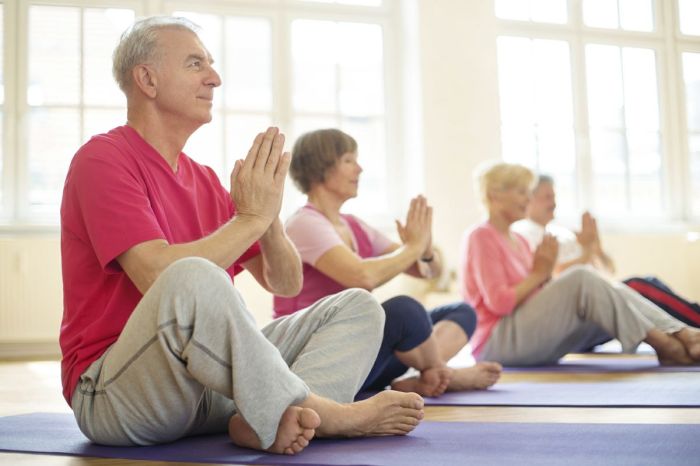
Regular health checkups are essential for seniors engaging in a yoga practice to ensure their overall well-being and monitor their progress effectively. These checkups play a crucial role in preventing any potential health risks that may arise during the yoga practice.
Significance of Health Checkups
- Health checkups help seniors identify any underlying health issues that may affect their yoga practice.
- Monitoring vital signs such as blood pressure, heart rate, and cholesterol levels can provide valuable insights into the impact of yoga on their physical health.
- Regular checkups can help seniors track their progress, set realistic goals, and make necessary adjustments to their yoga practice.
Coordinating Yoga Practice with Medical Checkups
- Seniors should inform their healthcare provider about their yoga practice and discuss any concerns or limitations they may have.
- It is important for seniors to follow their healthcare provider’s recommendations and attend regular checkups to ensure a safe and effective yoga practice.
- Health checkups can help seniors stay proactive about their health and well-being, allowing them to enjoy the benefits of yoga for a longer period.
Motivation for Health and Wellness through Yoga
Maintaining a consistent yoga practice is essential for seniors to reap the full benefits of this ancient practice. Here are some tips on how seniors can stay motivated to prioritize their health and wellness through yoga:
Role of Community Support in Fostering Motivation
- Join a local yoga class specifically tailored for seniors to connect with like-minded individuals who can provide support and encouragement.
- Participate in community events or workshops related to yoga to stay engaged and motivated in your practice.
- Form a small group of friends or family members who can practice yoga together regularly, creating a sense of community and accountability.
Tracking Progress and Celebrating Achievements
- Maintain a yoga journal to track your progress, noting improvements in flexibility, strength, and overall well-being over time.
- Set achievable goals for your yoga practice and celebrate small milestones to stay motivated and inspired to continue on your wellness journey.
- Reward yourself for sticking to your yoga routine, whether it’s treating yourself to a relaxing massage or indulging in a healthy meal after a challenging practice session.
Physical Activities to Complement Yoga Practice
Seniors can benefit greatly from incorporating a variety of physical activities alongside their yoga routine. These activities can help enhance the overall fitness levels and well-being of older adults.
Strength Training
Strength training exercises, such as lifting weights or using resistance bands, can help seniors improve muscle mass, bone density, and overall strength. Combining strength training with yoga can lead to better balance, stability, and mobility.
Aerobic Exercises
Activities like walking, swimming, or cycling can improve cardiovascular health, endurance, and stamina. When seniors engage in aerobic exercises in addition to yoga, they can experience enhanced circulation, increased lung capacity, and better overall cardiovascular fitness.
Balance and Coordination Exercises
Balance and coordination exercises, such as tai chi or Pilates, can help seniors enhance their stability, spatial awareness, and posture. By incorporating these exercises with yoga, older adults can further improve their balance, reduce the risk of falls, and enhance their mind-body connection.
Increasing Health Awareness through Yoga: Yoga Practice For Seniors
Yoga plays a crucial role in increasing health awareness among seniors by emphasizing the importance of holistic health practices. Through regular practice, seniors can gain a deeper understanding of the interconnectedness between physical, mental, and emotional well-being.
Promoting Self-Care and Proactive Health Management
- Yoga encourages seniors to take charge of their health through self-care practices like mindful movement, breathing exercises, and relaxation techniques.
- By incorporating yoga into their daily routine, seniors can proactively manage their health by addressing concerns such as stress, anxiety, and physical limitations.
- Regular yoga practice empowers seniors to make informed decisions about their well-being, leading to a more proactive and preventive approach to health management.
Mind-Body Connection and Overall Health
- Yoga helps seniors develop a greater awareness of the mind-body connection, allowing them to recognize how their thoughts and emotions impact their physical health.
- Through yoga, seniors can cultivate mindfulness and presence, which can improve their overall well-being and quality of life.
- By fostering a deeper understanding of the mind-body connection, seniors can make healthier lifestyle choices and better manage chronic conditions.
Preventive Medicine and the Role of Yoga

Yoga plays a crucial role in preventive medicine for seniors by helping them maintain their overall health and well-being. As individuals age, they become more susceptible to various health issues, making preventive measures essential to ensure a good quality of life in their later years.
Benefits of Yoga as a Preventive Measure
Regular practice of yoga can help prevent age-related health conditions such as arthritis, osteoporosis, heart disease, and high blood pressure. By promoting flexibility, strength, balance, and relaxation, yoga can contribute to reducing the risk of developing these conditions in seniors. Additionally, yoga helps in maintaining a healthy weight, improving circulation, and boosting the immune system, all of which are vital aspects of preventive medicine for older adults.
Role of Yoga in Maintaining Health for Seniors
Yoga serves as a holistic approach to maintaining health in older adults by addressing both the physical and mental aspects of well-being. The combination of physical postures, breathing exercises, and meditation in yoga helps seniors stay active, reduce stress, enhance mental clarity, and improve overall mood. These benefits contribute to preventing chronic diseases and age-related health issues, ultimately leading to a better quality of life for seniors.
Examples of Preventive Health Benefits of Yoga
– Improved joint health and flexibility can prevent arthritis and joint pain.
– Strengthening of muscles and bones can reduce the risk of osteoporosis and fractures.
– Stress reduction through yoga can lower blood pressure and improve heart health.
– Enhanced balance and coordination can prevent falls and related injuries in seniors.
Promoting Healthy Mindset through Yoga
Yoga practice offers numerous benefits beyond physical health, including cultivating a positive and healthy mindset in seniors. By incorporating yoga and mindfulness practices into their routine, seniors can enhance their mental well-being and overall quality of life.
Impact of a Healthy Mindset on Overall Well-being
Having a healthy mindset can significantly impact various aspects of seniors’ lives, such as reducing stress, improving cognitive function, and enhancing emotional resilience. Through yoga, seniors can develop a sense of inner peace, positivity, and gratitude, contributing to a more fulfilling and contented life.
Strategies for Developing a Resilient Outlook
- Practice Mindfulness: Encourage seniors to engage in mindful breathing exercises and meditation to help them stay present and calm in challenging situations.
- Cultivate Gratitude: Encourage seniors to keep a gratitude journal and reflect on the positive aspects of their life to foster a sense of appreciation and contentment.
- Positive Affirmations: Encourage seniors to repeat positive affirmations daily to challenge negative thought patterns and promote self-confidence and optimism.
- Connect with Community: Engage seniors in group yoga classes or community activities to foster social connections and a sense of belonging, which can enhance their overall well-being.
Top FAQs
Is it necessary to have prior yoga experience to start practicing as a senior?
While prior experience can be beneficial, many yoga classes for seniors are tailored to accommodate all levels, including beginners.
Can chair yoga really provide substantial health benefits for seniors?
Absolutely, chair yoga offers a safe and effective way for seniors with limited mobility to experience the benefits of yoga, such as improved flexibility and reduced stress.
How often should seniors practice yoga to see noticeable improvements in their health?
Consistency is key. Seniors can aim to practice yoga at least a few times a week to experience positive changes in their physical and mental well-being.


More Stories