Healthy Snacks
Incorporating healthy snacks into your fitness journey is crucial for maintaining energy levels, supporting muscle recovery, and sustaining overall well-being. By choosing nutritious snacks, you can fuel your body with essential nutrients and stay on track with your fitness goals.
Examples of Nutritious Snacks
- Greek yogurt with berries and a drizzle of honey
- Almonds or mixed nuts for a quick protein boost
- Sliced veggies with hummus for a satisfying crunch
- Hard-boiled eggs for a portable and protein-rich snack
- Apple slices with almond butter for a balance of carbohydrates and healthy fats
Role of Snacks in Boosting Energy Levels
Snacks play a vital role in boosting energy levels during workouts by providing a source of fuel to power through physical activity. Opting for snacks that combine carbohydrates, protein, and healthy fats can help sustain energy levels, improve performance, and enhance recovery post-exercise. Remember to choose snacks that are nutrient-dense and align with your fitness goals to optimize your workout sessions.
Wellness Programs
Wellness programs play a crucial role in helping individuals track progress towards their fitness goals by providing a structured framework and support system to achieve overall well-being. These programs encompass various components and strategies aimed at promoting healthy habits and lifestyle changes.
Components of Wellness Programs
- Physical Activity: Incorporating exercise routines tailored to individual fitness levels and goals.
- Nutrition Guidance: Offering dietary recommendations and meal planning to support fitness objectives.
- Mental Health Support: Providing resources for stress management, mindfulness, and mental well-being.
- Health Education: Offering workshops, seminars, and resources to enhance health literacy and awareness.
- Behavioral Coaching: Providing guidance and accountability for behavior change and goal setting.
Types of Wellness Programs and Effectiveness
- Corporate Wellness Programs: Often offered by employers to improve employees’ health and productivity. These programs can be effective in fostering a culture of well-being and accountability.
- Community-Based Wellness Programs: Organized by local organizations or fitness centers to engage individuals in health-promoting activities. These programs can be effective in building social support and camaraderie.
- Online Wellness Platforms: Virtual platforms offering a range of resources, tools, and support for individuals to track their fitness progress. These programs can be effective in providing flexibility and accessibility.
Physical Therapy
Physical therapy is a crucial component of any fitness routine as it helps individuals improve mobility, strength, and flexibility. It plays a significant role in injury prevention and recovery, making it essential for achieving fitness goals in a safe and effective manner.
Benefits of Physical Therapy
- Enhances overall physical performance by targeting specific areas of weakness or imbalance.
- Helps in reducing pain and discomfort, allowing individuals to exercise more comfortably.
- Aids in improving posture and body alignment, leading to better exercise form and technique.
- Promotes faster recovery from injuries, enabling individuals to get back to their fitness routine sooner.
Examples of Physical Therapy Exercises
| Exercise | Purpose |
|---|---|
| Planks | Strengthen core muscles to support the spine and improve stability. |
| Lunges | Enhance lower body strength and balance for better movement control. |
| Shoulder Rotations | Improve shoulder mobility and prevent injuries during upper body exercises. |
Injury Prevention and Recovery with Physical Therapy
- Physical therapy helps identify muscle imbalances and weaknesses that can lead to injuries during workouts.
- By addressing these issues through targeted exercises, individuals can prevent injuries and improve overall fitness performance.
- In case of injuries, physical therapy plays a crucial role in the recovery process, guiding individuals through rehabilitation exercises to regain strength and functionality.
Health Coaching
Health coaching plays a crucial role in helping individuals achieve their fitness goals by providing personalized guidance and support throughout their wellness journey. Health coaches work with clients to develop strategies, set realistic goals, and overcome obstacles to ensure long-term success.
Qualities of an Effective Health Coach
- Empathy and Active Listening: Effective health coaches listen attentively to their clients, show empathy, and create a safe space for open communication.
- Knowledge and Expertise: A good health coach possesses a solid understanding of nutrition, exercise, and behavior change techniques to provide valuable guidance.
- Support and Motivation: Health coaches offer continuous support, encouragement, and motivation to keep clients accountable and on track towards their goals.
- Personalized Approach: Tailoring strategies to each individual’s needs, preferences, and lifestyle ensures a successful and sustainable wellness plan.
- Goal Setting and Monitoring: Setting specific, measurable, achievable, relevant, and time-bound (SMART) goals helps track progress and celebrate achievements along the way.
Success Stories
Case Study: Sarah
Tracking progress towards fitness goals – Sarah struggled with weight management and lacked motivation to exercise regularly. With the help of a health coach, she was able to set achievable goals, make sustainable lifestyle changes, and prioritize self-care. Through ongoing support and guidance, Sarah lost weight, improved her fitness level, and gained confidence in her abilities.
Case Study: John
John suffered from chronic back pain and found it challenging to stay active due to his condition. With the guidance of a health coach specialized in physical therapy, John learned proper techniques to strengthen his core muscles, improve his posture, and manage his pain effectively. Today, John leads a pain-free and active lifestyle, thanks to the support of his health coach.
Medical Advancements
Recent medical advancements have significantly transformed the way we track progress towards fitness goals. These innovations have revolutionized the monitoring of fitness metrics and outcomes, providing more accurate and real-time data to individuals striving to achieve their health objectives. With the integration of technology, the process of tracking fitness progress has become more streamlined and personalized, offering a more comprehensive approach to overall wellness.
Impact of Technology on Monitoring Fitness Metrics
Technology has played a crucial role in enhancing the monitoring of fitness metrics, allowing individuals to track their progress in real-time and make informed decisions to improve their health outcomes. Wearable devices, such as fitness trackers and smartwatches, have enabled users to monitor various aspects of their health, including heart rate, sleep patterns, and physical activity levels. These devices provide valuable data that can be used to set specific goals, track progress, and adjust routines accordingly.
- Wearable devices offer continuous monitoring of key health indicators, providing users with insights into their overall health and fitness levels.
- Mobile applications and online platforms allow individuals to log their daily activities, nutrition intake, and exercise routines, providing a comprehensive overview of their progress towards fitness goals.
- Integration of artificial intelligence and machine learning algorithms helps analyze data patterns and provide personalized recommendations to optimize fitness outcomes.
Future Advancements in Tracking Fitness Progress
Looking ahead, there are exciting possibilities for further advancements in tracking fitness progress that could revolutionize the way individuals approach their health and wellness goals. Emerging technologies such as virtual reality (VR) fitness programs, biofeedback sensors, and genetic testing for personalized fitness plans hold immense potential for enhancing the monitoring and optimization of fitness outcomes.
With continuous innovation and research in the field of medical technology, the future of tracking fitness progress holds promise for more personalized, effective, and data-driven approaches to achieving optimal health and wellness.
Fitness Goals
Setting fitness goals is crucial for progress and motivation in any health and wellness journey. By defining specific, measurable objectives, individuals can track their achievements and stay focused on their path to improved fitness levels.
Importance of Setting Specific, Measurable Fitness Goals
Establishing clear and measurable fitness goals provides a roadmap for success. When goals are specific, such as running a 5k in under 30 minutes or losing 10 pounds in a month, individuals can track their progress more effectively and adjust their strategies accordingly.
Tips for Establishing Realistic and Achievable Fitness Milestones
- Start with small, achievable goals to build momentum and confidence.
- Set deadlines to create a sense of urgency and accountability.
- Consult with a fitness professional to ensure your goals align with your current fitness level and abilities.
- Track your progress regularly to stay motivated and make adjustments as needed.
Psychological Impact of Reaching Fitness Goals on Overall Well-being
Achieving fitness goals can have a profound impact on overall well-being. The sense of accomplishment and empowerment that comes with reaching a milestone can boost self-confidence, reduce stress, and improve mental health. Setting and achieving fitness goals can also help individuals develop discipline, resilience, and a positive mindset that can benefit all areas of their lives.
Balanced Nutrition
Balanced nutrition plays a crucial role in tracking progress towards fitness goals as it provides the necessary fuel for the body to function optimally during workouts and aid in recovery. Without proper nutrition, it can be challenging to see improvements in physical performance and achieve desired fitness outcomes.
Importance of Balanced Nutrition for Fitness Goals
Consuming a well-balanced diet that includes a variety of nutrients is essential for supporting fitness objectives. This type of diet ensures that the body receives the necessary vitamins, minerals, macronutrients, and micronutrients to fuel workouts, repair muscle tissue, and promote overall health.
- Lean proteins: Protein is crucial for muscle repair and growth, making it essential for individuals looking to build muscle and improve strength. Sources of lean protein include chicken, turkey, fish, tofu, and legumes.
- Complex carbohydrates: Carbohydrates provide the body with energy, making them vital for fueling workouts and replenishing glycogen stores. Opt for whole grains, fruits, vegetables, and legumes to ensure a steady source of energy.
- Healthy fats: Fats are important for hormone production and nutrient absorption, as well as providing a source of energy during low-intensity activities. Incorporate sources of healthy fats such as avocados, nuts, seeds, and olive oil into your diet.
- Fruits and vegetables: These are rich in vitamins, minerals, and antioxidants, which are essential for overall health and optimal performance. Aim to include a variety of colorful fruits and vegetables in your meals to ensure you’re getting a wide range of nutrients.
Role of Macronutrients and Micronutrients in Fitness Performance, Tracking progress towards fitness goals
Macronutrients, including carbohydrates, proteins, and fats, provide the body with energy and support various functions necessary for physical activity. Consuming the right balance of macronutrients can help optimize performance and aid in recovery. On the other hand, micronutrients, such as vitamins and minerals, play essential roles in energy metabolism, muscle function, and immune health, all of which are crucial for achieving fitness goals.
Mental Strength
Mental strength plays a crucial role in achieving fitness goals as it helps individuals stay focused, motivated, and resilient in the face of challenges. It involves having a positive mindset, managing stress effectively, and staying committed to one’s health and wellness journey.
Strategies for Improving Mental Resilience
Improving mental resilience during challenging workouts can significantly impact one’s ability to push through obstacles and reach fitness milestones. Here are some strategies to enhance mental strength:
- Practice mindfulness and meditation to stay present and calm during workouts.
- Set realistic goals and celebrate small victories along the way to boost confidence.
- Surround yourself with a supportive community or workout buddy for motivation and accountability.
- Use positive self-talk and affirmations to overcome self-doubt and stay focused on progress.
Correlation Between Mental Well-being and Physical Fitness Progress
Mental well-being and physical fitness progress are closely intertwined, with one influencing the other. When individuals prioritize their mental health, they are better equipped to stay consistent with their fitness routines, make healthier choices, and overcome obstacles. A positive mindset can lead to better physical performance, increased motivation, and a stronger commitment to achieving fitness goals.
Yoga Practice
Incorporating yoga practice into your fitness routine can greatly complement your fitness goals by promoting overall well-being, flexibility, and mental clarity. Yoga not only helps in building strength and improving flexibility but also aids in reducing stress and improving focus.
Physical and Mental Benefits of Yoga
- Improved Flexibility: Yoga poses such as Downward Dog, Forward Fold, and Warrior poses help in stretching and lengthening muscles, improving overall flexibility which is essential for preventing injuries during other workout routines.
- Enhanced Strength: Poses like Plank, Chair pose, and Tree pose require engaging various muscle groups, helping in building strength and endurance.
- Stress Reduction: The focus on breathing techniques and mindfulness in yoga practice can reduce stress levels, promoting relaxation and mental well-being.
- Improved Balance and Posture: Yoga poses challenge balance and alignment, helping in improving posture and stability, which are vital for overall fitness.
- Mental Clarity: The combination of physical movement and mindfulness in yoga can enhance mental focus and clarity, aiding in better decision-making and overall cognitive function.
Examples of Yoga Poses for Fitness
1. Downward Dog: Strengthens the arms, shoulders, and legs while stretching the back and hamstrings.
2. Warrior II: Enhances leg strength, opens the hips, and improves balance and concentration.
3. Bridge Pose: Strengthens the back, glutes, and core muscles, promoting spinal flexibility and stability.
4. Tree Pose: Improves balance, strengthens the ankles and legs, and enhances focus and concentration.
5. Cobra Pose: Strengthens the back muscles, opens the chest, and improves spine flexibility.
Health Education
Health education plays a crucial role in empowering individuals to track their fitness progress effectively. By providing the necessary knowledge and information, individuals can make informed decisions about their health and wellness journey.
Importance of Understanding Basic Health Concepts
Understanding basic health concepts is essential for achieving fitness goals. It allows individuals to grasp the fundamentals of nutrition, exercise, and overall well-being, enabling them to make sustainable lifestyle changes.
- Proper nutrition: Knowing the importance of balanced nutrition and how it impacts fitness goals can help individuals make healthier food choices.
- Exercise techniques: Learning about different types of exercises and their benefits can aid in creating a personalized workout routine tailored to specific fitness objectives.
- Health monitoring: Understanding how to track progress through metrics like heart rate, body composition, and strength levels is key to evaluating fitness improvements.
By educating oneself on basic health concepts, individuals can take control of their fitness journey and work towards achieving their goals effectively.
Resources for Reliable Health Education Materials
Accessing reliable health education materials related to fitness and wellness is crucial for staying informed and up-to-date on best practices. Here are some trusted sources:
- Health websites: Websites like Mayo Clinic, WebMD, and Healthline offer comprehensive information on various health topics, including fitness and nutrition.
- Books and journals: Reading books written by health experts and referring to reputable health journals can provide in-depth knowledge on specific fitness-related subjects.
- Fitness apps: Utilizing fitness apps that offer educational content, workout plans, and nutrition guidance can be a convenient way to learn more about health and wellness.
Weight Management
Maintaining a healthy weight is crucial when working towards fitness goals. Weight management plays a significant role in monitoring progress and achieving desired outcomes.
Relationship between Weight Management and Fitness Goals
- Monitoring weight helps track changes in body composition and overall health.
- Maintaining a healthy weight can improve physical performance and endurance during workouts.
- Weight management ensures that the body is receiving adequate nutrition to support fitness goals.
Tips for Maintaining a Healthy Weight
- Focus on consuming balanced meals with a variety of nutrients to support energy levels.
- Aim to incorporate regular physical activity into your routine to promote calorie burning.
- Stay hydrated throughout the day to support metabolism and digestion.
- Avoid crash diets and extreme restrictions, as they can negatively impact metabolism and overall health.
Impact of Weight Fluctuations on Fitness Performance
- Weight fluctuations can affect energy levels and workout intensity, potentially hindering progress towards fitness goals.
- Sudden changes in weight may indicate underlying health issues that need to be addressed with a healthcare professional.
- Consistent weight management is essential for long-term success in maintaining fitness and overall well-being.
Health Checkups
Regular health checkups play a crucial role in monitoring progress towards fitness goals. These checkups help individuals track key health metrics, identify any potential issues, and make necessary adjustments to their fitness routines. By staying proactive with health checkups, individuals can prevent setbacks and stay on track towards achieving their fitness objectives.
Key Health Metrics for Monitoring
- Body Mass Index (BMI): A measurement of body fat based on height and weight.
- Blood Pressure: Monitoring blood pressure levels to assess cardiovascular health.
- Cholesterol Levels: Checking cholesterol levels to evaluate heart health.
- Blood Sugar Levels: Monitoring blood sugar levels for diabetes risk assessment.
- Resting Heart Rate: Tracking heart rate at rest to gauge cardiovascular fitness.
Skin Health
Maintaining healthy skin is not only important for aesthetic reasons but also plays a crucial role in reflecting overall health and wellness. The connection between skin health and fitness progress is often overlooked, but the effects of exercise and nutrition can have a significant impact on the skin’s appearance and condition. Here, we will explore how taking care of your skin can complement your fitness journey and share some skincare tips to help you achieve healthy skin while pursuing your fitness goals.
Effects of Exercise and Nutrition on Skin Health
Regular exercise can improve blood circulation, which helps deliver essential nutrients and oxygen to the skin cells, resulting in a healthy glow. Additionally, sweating during workouts can help flush out toxins from the skin, reducing the risk of breakouts. A well-balanced diet rich in vitamins, minerals, and antioxidants can also promote skin health by providing the necessary nutrients for repair and regeneration. Consuming foods high in collagen, such as bone broth or fish, can help maintain skin elasticity and firmness.
Skincare Tips for Healthy Skin
- Avoid wearing makeup during intense workouts to prevent clogged pores and breakouts.
- Stay hydrated by drinking plenty of water throughout the day to keep your skin moisturized and hydrated.
- Protect your skin from harmful UV rays by applying sunscreen before outdoor activities or workouts.
- Cleanse your skin gently after sweating to remove dirt and bacteria that can cause skin irritations.
- Incorporate a moisturizer suitable for your skin type to keep your skin supple and nourished.
Emotional Health
Emotional health plays a crucial role in tracking progress towards fitness goals. Our mental state can greatly impact our motivation, consistency, and overall well-being on the fitness journey. It is essential to address emotional health to ensure long-term success in achieving and maintaining fitness goals.
Impact of Emotional Health
Emotional health can affect our ability to stay committed to our fitness goals. Stress, anxiety, and negative emotions can lead to emotional eating, lack of motivation, and inconsistency in our workout routine. It is important to recognize and manage these emotions to prevent them from derailing our progress.
Strategies for Managing Stress and Emotions
- Practice mindfulness and meditation to reduce stress levels.
- Engage in activities you enjoy to boost your mood and relieve tension.
- Seek support from friends, family, or a therapist to talk about your emotions and challenges.
- Set realistic goals and celebrate small victories to stay motivated and positive.
Importance of Emotional Well-being
Emotional well-being is essential for sustaining long-term fitness habits. It helps us cope with setbacks, stay focused on our goals, and maintain a positive attitude towards our journey. By prioritizing our emotional health, we can create a strong foundation for a healthy and balanced lifestyle.
Health Motivation
Staying motivated is crucial when it comes to achieving fitness goals. It can be challenging to maintain consistency in a fitness journey, but motivation plays a key role in keeping individuals on track towards their desired outcomes.
The Role of Motivation
Motivation serves as the driving force behind individuals’ commitment to their fitness goals. It helps them stay focused, overcome obstacles, and push through challenging phases. Without motivation, it can be easy to lose sight of the end goal and give up when faced with setbacks.
- Setting Clear Goals: Establishing specific, measurable, achievable, relevant, and time-bound (SMART) goals can help individuals stay motivated by providing a clear target to work towards.
- Rewarding Progress: Celebrating small victories along the way can boost motivation and reinforce positive behaviors. Whether it’s treating yourself to a healthy snack or taking a day off to relax, acknowledging progress is essential.
- Accountability Partners: Having a workout buddy, coach, or support group can help individuals stay motivated by holding them accountable and providing encouragement during tough times.
- Visualizing Success: Creating a mental image of achieving fitness milestones can increase motivation and drive individuals to work harder towards their goals.
- Positive Self-Talk: Encouraging oneself with positive affirmations and focusing on strengths rather than weaknesses can help maintain motivation and self-belief.
Physical Activities
Regular physical activities play a crucial role in tracking progress towards fitness goals. By incorporating a variety of workouts into your routine, you can not only improve your overall fitness level but also stay motivated and engaged in your journey to better health.
Variety of Physical Activities
- Cardiovascular Exercises: Running, cycling, swimming, and aerobic classes help improve cardiovascular health and endurance.
- Strength Training: Weightlifting, bodyweight exercises, and resistance bands help build muscle strength and tone the body.
- Flexibility Workouts: Yoga, Pilates, and stretching exercises improve flexibility, balance, and posture.
- High-Intensity Interval Training (HIIT): HIIT workouts combine short bursts of intense exercise with brief rest periods, boosting metabolism and burning calories.
Benefits of Diverse Workouts
- Prevent Plateaus: Mixing up your routine challenges different muscle groups, preventing your body from getting used to the same movements.
- Reduce Injury Risk: Engaging in various activities helps balance muscle strength and flexibility, reducing the risk of overuse injuries.
- Mental Stimulation: Trying new activities keeps your mind sharp and motivated, enhancing the overall workout experience.
- Faster Results: Diverse workouts target multiple fitness components, leading to faster progress towards your fitness goals.
Importance of Cross-Training
Cross-training involves incorporating a variety of exercises into your routine, such as combining cardio, strength training, and flexibility workouts. This approach not only improves overall fitness but also enhances performance in specific activities. By challenging different muscle groups and energy systems, cross-training can help you achieve better results, prevent burnout, and reduce the risk of overuse injuries. It also adds variety and fun to your workouts, keeping you motivated and engaged in your fitness journey.
Health Awareness
Raising awareness about health-related issues plays a crucial role in achieving fitness goals. By educating individuals about the importance of maintaining good health, they become more motivated to make positive lifestyle changes and prioritize their well-being. This, in turn, can lead to better adherence to fitness routines and healthier choices in daily life.
Examples of Health Campaigns
- One example of a successful health campaign is “Movember,” which raises awareness about men’s health issues, such as prostate cancer and mental health. Through this initiative, men are encouraged to take better care of their physical and mental well-being, ultimately contributing to their overall fitness.
- Another impactful campaign is “Breast Cancer Awareness Month,” which focuses on educating women about the importance of early detection and regular screenings. By promoting breast health awareness, this campaign helps individuals prioritize their health and well-being, including fitness goals.
Positive Influence of Health Awareness on Fitness Journeys
Increased health awareness can positively influence individual fitness journeys by empowering individuals to make informed decisions about their well-being. When people are more knowledgeable about health-related issues, they are more likely to engage in regular physical activity, maintain a balanced diet, and seek professional guidance for their fitness goals. This awareness can also help individuals recognize the importance of preventive care and early intervention, leading to better overall health outcomes.
Preventive Medicine: Tracking Progress Towards Fitness Goals
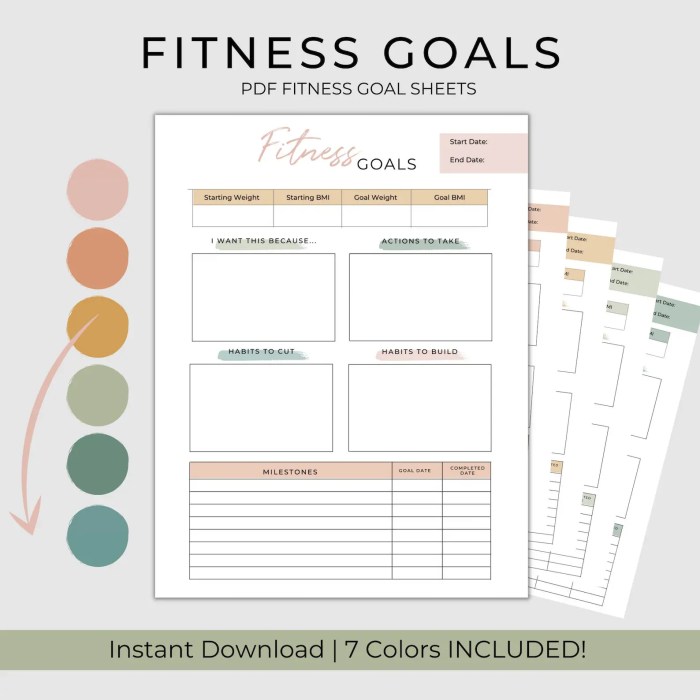
Preventive medicine plays a crucial role in maintaining overall health and ensuring progress towards fitness goals. By taking proactive measures to prevent illnesses and injuries, individuals can avoid setbacks that may hinder their fitness journey.
Importance of Preventive Measures
- Regular health screenings and check-ups can help detect potential health issues early on, allowing for timely intervention and treatment.
- Adopting a balanced and nutritious diet, along with regular physical activity, can help prevent chronic diseases such as diabetes, heart disease, and obesity.
- Practicing stress management techniques and prioritizing mental health can reduce the risk of conditions like anxiety and depression, which can impact overall well-being and fitness progress.
Long-Term Fitness Sustainability
- By incorporating preventive medicine practices into their lifestyle, individuals can maintain their fitness goals over the long term, leading to improved overall health and well-being.
- Preventive measures such as vaccination, proper hygiene, and regular exercise can boost the immune system, reducing the risk of infections and illnesses that may derail fitness progress.
- Education on healthy habits and lifestyle choices empowers individuals to make informed decisions that support their fitness goals and contribute to long-term sustainability.
Nutritional Counseling
Nutritional counseling plays a crucial role in supporting fitness goals by providing individuals with personalized guidance on making healthy dietary choices to optimize their overall health and fitness progress.
Benefits of Nutritional Counseling
- Helps individuals understand their unique nutritional needs based on their fitness goals and lifestyle.
- Provides guidance on meal planning and portion control to support weight management and muscle gain.
- Offers strategies to improve energy levels, enhance performance during workouts, and speed up recovery.
- Assists in developing a balanced and sustainable eating pattern that aligns with long-term fitness objectives.
Role of a Nutritionist or Dietitian
- Evaluates individual’s current dietary habits, nutritional deficiencies, and health concerns to create a personalized nutrition plan.
- Offers evidence-based recommendations on nutrient intake, meal timing, and food choices to support fitness progress.
- Monitors progress, adjusts the nutrition plan as needed, and provides ongoing support and motivation.
Personalized Nutritional Advice
- Enhances tracking progress towards fitness objectives by ensuring individuals are fueling their bodies with the right nutrients for optimal performance.
- Addresses specific challenges or barriers related to nutrition that may be hindering fitness goals.
- Empowers individuals to make informed choices that align with their unique needs and preferences, leading to sustainable lifestyle changes.
Healthy Mind
Maintaining a healthy mind is crucial when working towards fitness goals. A positive mindset can greatly impact physical outcomes and overall well-being. By nurturing mental wellness, individuals can enhance their fitness journey and achieve greater success.
Mental Wellness Practices
- Practice mindfulness and meditation to reduce stress and improve focus during workouts.
- Engage in positive self-talk to boost confidence and motivation for exercise.
- Set realistic and achievable fitness goals to prevent feelings of overwhelm or disappointment.
- Prioritize rest and recovery to prevent burnout and maintain mental clarity.
- Seek support from friends, family, or a therapist to address any mental health challenges that may affect fitness progress.
Essential Questionnaire
How often should I track my fitness progress?
It is recommended to track your fitness progress at least once a week to monitor any changes and adjust your goals accordingly.
Can wellness programs help with weight management?
Yes, wellness programs often include components that focus on weight management strategies to support your fitness goals.
What role does mental strength play in achieving fitness milestones?
Mental strength is crucial for overcoming challenges, staying motivated, and pushing through tough workouts to reach your fitness goals.


More Stories
Healthy eating habits for weight management: Tips for a healthier lifestyle